


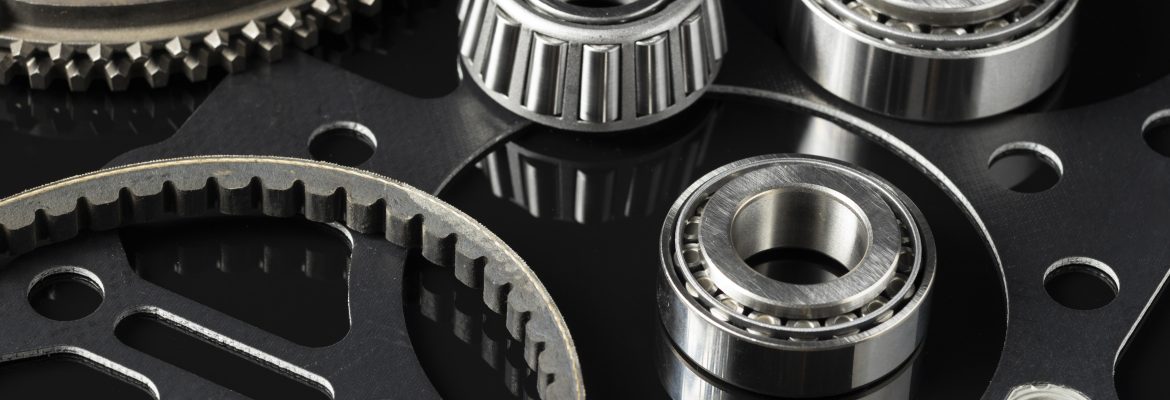
Industrial bearings are the backbone of rotating machinery. Whether used in manufacturing plants, crushers, pumps, conveyors, electric motors, or automotive equipment, properly maintained bearings ensure smooth operation, reduce downtime, and extend the life of expensive machinery. Even the highest-quality bearings can fail prematurely if they are not installed, lubricated, and inspected correctly.
Here are some essential bearing maintenance practices that can help improve machine performance and increase equipment lifespan.
1. Use the Right Lubrication
Proper lubrication is one of the most important factors in bearing maintenance. Lubricants reduce friction, minimize wear, and protect bearings from corrosion and overheating. Always use the lubricant recommended for your application and avoid mixing different grease types. Over-lubrication can be just as harmful as insufficient lubrication, so apply the correct amount at regular intervals.
2. Keep Bearings Clean
Dust, dirt, moisture, and metal particles can significantly reduce bearing life. Store bearings in a clean, dry environment and ensure that the surrounding machine components are free from contamination during installation and maintenance. Clean working conditions help prevent premature wear and unexpected failures.
3. Inspect Bearings Regularly
Routine inspections allow you to identify potential problems before they become costly breakdowns. Listen for unusual noises, check for excessive vibration, inspect for overheating, and monitor lubrication conditions. Early detection of wear helps reduce repair costs and prevents unexpected production stoppages.
4. Install Bearings Correctly
Incorrect installation is one of the leading causes of bearing failure. Always use proper installation tools and avoid applying excessive force. Ensure the bearing is aligned correctly and fitted according to manufacturer recommendations to prevent unnecessary stress and damage.
5. Monitor Operating Temperature
Bearings operating at unusually high temperatures may indicate poor lubrication, excessive load, or misalignment. Regular temperature monitoring helps detect issues early and prevents severe machine damage.
6. Avoid Overloading
Every bearing is designed to operate within specific load and speed limits. Overloading increases friction, generates excess heat, and accelerates wear. Choosing the correct bearing for the application ensures reliable performance and longer service life.
7. Replace Worn Bearings Promptly
Ignoring signs of bearing wear can result in damage to shafts, housings, and other machine components. If a bearing shows excessive noise, vibration, rough rotation, or visible damage, replace it before it causes a major equipment failure.
Benefits of Proper Bearing Maintenance
Following a preventive maintenance routine offers several advantages:
- Increases machine lifespan
- Reduces unexpected downtime
- Lowers maintenance and repair costs
- Improves production efficiency
- Enhances equipment reliability
- Minimizes energy consumption
- Improves workplace safety
Conclusion
Regular bearing maintenance is a simple yet effective way to improve machine reliability and reduce operating costs. Proper lubrication, routine inspections, correct installation, and timely replacement help maximize bearing performance and protect valuable industrial equipment.
At Sharda Bearings, we supply genuine bearings and provide expert guidance to help industries select the right products for their applications. With quality bearings and proper maintenance practices, businesses can achieve greater productivity, lower maintenance costs, and longer machine life.
Leave A Comment